

Elon Musk has publicly criticized the Federal Aviation Administration (FAA) for what he perceives as undue scrutiny of SpaceX while neglecting issues with Boeing’s Starliner spacecraft. Following the FAA’s proposal to fine SpaceX over $630,000 for regulatory breaches related to two Falcon 9 launches last year, Musk took to X (formerly Twitter) to express his frustration. He argued that the FAA should concentrate its efforts on Boeing, which recently faced setbacks with its Starliner missions, rather than targeting his company for what he describes as “petty matters.”
Musk’s comments come after the FAA identified two specific infractions by SpaceX. The first involved the PSN SATRIA mission, which launched an Indonesian communications satellite in June 2023 from Cape Canaveral Space Force Station. SpaceX had submitted a request to revise its communications plan, proposing the addition of a new launch control room and the removal of a readiness poll conducted two hours before liftoff. The company proceeded with these changes without FAA approval, resulting in a proposed fine of $175,000 for each of the two alleged violations.
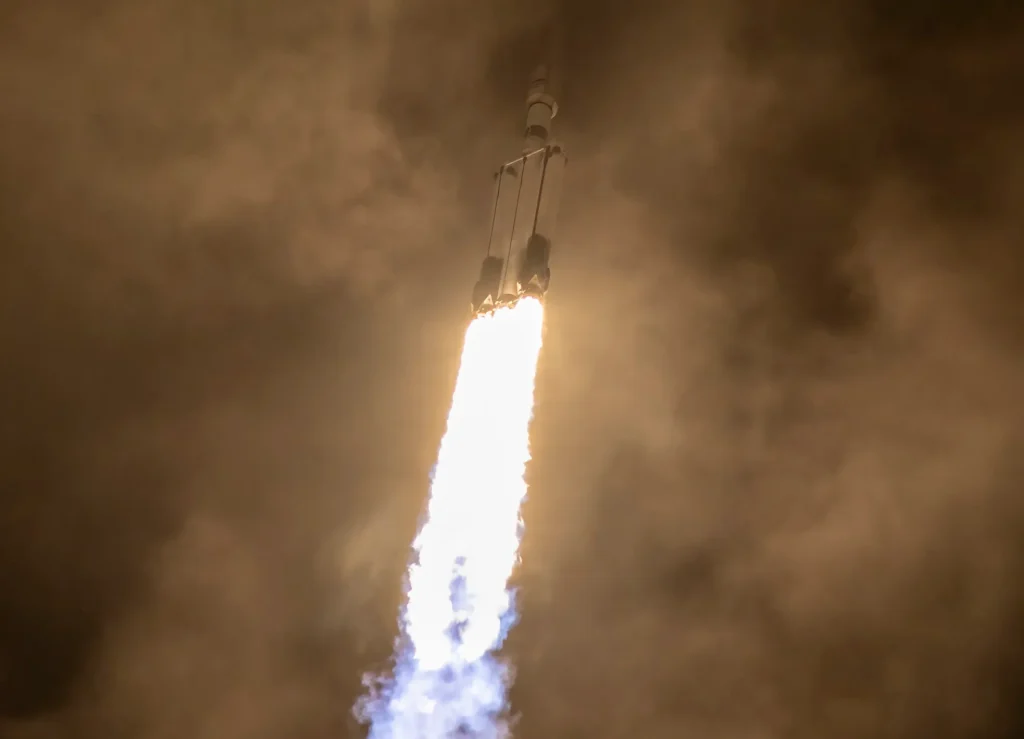
The second incident pertains to the Jupiter 3 mission, a telecommunications satellite launched in July 2023 from NASA’s Kennedy Space Center (KSC) using a Falcon Heavy rocket. SpaceX utilized a newly built rocket propellant farm at KSC without prior FAA approval, leading to a proposed penalty of $283,009. Combined, these infractions have led the FAA to seek a total fine of $633,009 against SpaceX.
In response to the FAA’s actions, Musk labeled the agency’s efforts as “lawfare,” suggesting that the FAA is using legal mechanisms to undermine SpaceX unfairly. He further stated, “The [Federal Aviation Administration] leadership spends their resources attacking SpaceX for petty matters that have nothing to do with safety, while neglecting real safety issues at Boeing. This is deeply wrong and puts human lives at risk. Enough is enough.”
Musk specifically targeted Boeing’s Starliner program, which has faced its own challenges. The Starliner spacecraft launched an eight-day mission to the International Space Station in June 2023 but returned to Earth without its crew in September after NASA deemed the mission too risky due to repeated delays and technical issues. Musk contended that the FAA should prioritize investigating these safety concerns with Boeing instead of focusing on SpaceX’s compliance with regulatory procedures.
However, industry experts note that the FAA’s regulatory oversight extends differently depending on the entity involved. While SpaceX operates under the FAA’s Office of Commercial Space Transportation, Boeing’s Starliner missions are primarily overseen by NASA, which holds the responsibility for crewed missions. This distinction means that the FAA may not have the same jurisdiction over Boeing’s activities as it does with SpaceX’s commercial launches.
SpaceX has already taken steps to challenge the FAA’s proposed fines. In a letter to congressional officials, the company “forcefully rejects” the FAA’s allegations, asserting that it provided the Office of Commercial Space Transportation with “sufficient notice” of its revised launch plans. SpaceX also argued that the penalties were proposed because the FAA “was unable to do its job” efficiently, citing a delay in approving one of its changes by 110 days.
The tension between SpaceX and the FAA is part of a broader conflict between private aerospace companies and regulatory bodies. Musk’s accusations suggest a frustration with what he views as inconsistent enforcement of regulations, while the FAA maintains that its primary focus remains on ensuring the safety and compliance of all commercial space activities.
Adding to the controversy, Musk criticized Polly Trottenberg, the Department of Transportation’s deputy secretary, questioning her expertise in aviation and rocket technology. Although Trottenberg stepped down from her role at the FAA in October 2023, Musk’s comments reflect ongoing frustrations with regulatory leadership from the CEO of both Tesla and SpaceX.
As the deadline approaches for SpaceX to respond to the FAA’s enforcement letters, the outcome of this dispute could set a significant precedent for how commercial space companies navigate regulatory compliance in the future. SpaceX’s potential lawsuit against the FAA underscores the high stakes involved, not only for the company but also for the broader commercial space industry.
The FAA has yet to clarify whether it will proceed with formal fines or pursue additional penalties. Meanwhile, Boeing continues to address the issues with its Starliner program, working towards ensuring the safety and reliability of its crewed missions. The interplay between these major aerospace players and regulatory bodies will likely shape the future landscape of commercial space exploration and transportation.
In summary, Elon Musk’s call for the FAA to shift its focus from SpaceX to Boeing highlights the complexities and challenges of regulating the rapidly evolving commercial space sector. As SpaceX and Boeing navigate their respective regulatory and technical hurdles, the actions taken by the FAA will play a crucial role in determining the balance between fostering innovation and ensuring safety in space endeavors.