

The U.S. Federal Aviation Administration (FAA) has announced plans to fine SpaceX more than $630,000 for alleged violations of launch regulations during two Falcon 9 missions last year. The fines stem from SpaceX’s failure to comply with approved communication and safety protocols for launches conducted from Florida’s Cape Canaveral Space Force Station and NASA’s Kennedy Space Center (KSC).
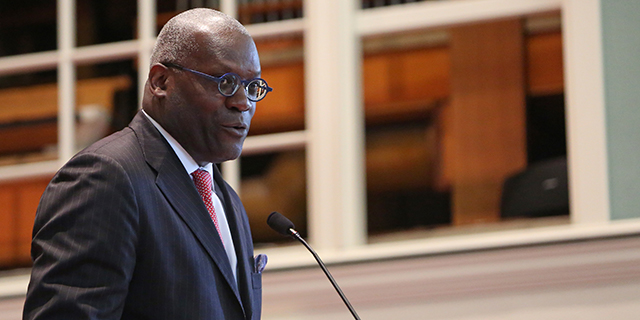
FAA Chief Counsel Marc Nichols emphasized the agency’s unwavering commitment to safety in commercial space transportation. “Safety drives everything we do at the FAA, including a legal responsibility for the safety oversight of companies with commercial space transportation licenses,” Nichols stated in an emailed statement released today.
The first incident involves the PSN SATRIA mission, which launched an Indonesian communications satellite on June 18, 2023, from Cape Canaveral atop a Falcon 9 rocket. According to the FAA, SpaceX submitted a request in May to revise its communications plan related to its launch license. The proposed changes included adding a new launch control room at one of the facility’s hangars and eliminating a readiness poll that was previously conducted two hours before liftoff. Despite these proposed revisions, SpaceX proceeded with the PSN SATRIA launch before receiving FAA approval. Consequently, the FAA is proposing a $175,000 fine for this infraction.
The second violation pertains to the Jupiter 3 mission, a large telecommunications satellite launched on July 28, 2023, using a Falcon Heavy rocket from NASA’s Kennedy Space Center. For this mission, SpaceX utilized a newly constructed rocket propellant farm at KSC without prior FAA approval. The company had submitted a revision request for the propellant farm earlier in July, but the launch proceeded regardless. The FAA is seeking a $283,009 penalty for this breach, bringing the total proposed fines for both missions to $633,009.

SpaceX has been given a 30-day window to respond to the FAA’s enforcement letters, which were delivered today. The company has yet to publicly comment on the proposed fines or the specifics of the violations.
These actions by the FAA underscore the agency’s stringent enforcement of the Digital Markets Act (DMA) and its commitment to ensuring that all commercial space activities adhere to established safety and operational standards. The DMA aims to create a fair and competitive environment in the digital marketplace, and these fines serve as a deterrent against non-compliance by major industry players.
SpaceX, led by CEO Elon Musk, has been at the forefront of private space exploration, achieving numerous milestones with its Falcon rockets and Dragon spacecraft. However, the company has faced regulatory challenges in the past, particularly concerning its rapid launch schedules and ambitious project timelines. The FAA’s decision to impose substantial fines highlights the delicate balance between fostering innovation in the aerospace sector and maintaining rigorous safety standards.

AFP via Getty Images
The PSN SATRIA and Jupiter 3 launches are part of SpaceX’s broader efforts to expand its presence in the global satellite market, providing essential communication services to various regions. These missions not only demonstrate SpaceX’s technical prowess but also its significant role in advancing commercial space capabilities. However, the FAA’s enforcement actions indicate that regulatory compliance remains a critical aspect of sustaining long-term success in the industry.
As the space sector continues to evolve, the collaboration between regulatory bodies like the FAA and private companies such as SpaceX will be pivotal in shaping the future of space exploration and commercialization. Ensuring that safety protocols are strictly followed is essential to prevent accidents and maintain public trust in space missions.
The outcome of this case could set a precedent for how the FAA handles future regulatory breaches by major aerospace firms. If SpaceX fails to comply with the fines or appeals the decision, it could lead to more stringent oversight and potentially influence how other companies approach regulatory compliance in their operations.
In the meantime, SpaceX is likely to reassess its internal processes to ensure that all future launches adhere strictly to FAA guidelines and receive the necessary approvals before proceeding. This proactive approach will be crucial in mitigating the risk of further penalties and maintaining the company’s reputation as a leader in the commercial space industry.
The broader implications of the FAA’s actions extend to the entire aerospace sector, emphasizing the importance of regulatory adherence in fostering a safe and competitive market. As space exploration becomes increasingly commercialized, the role of regulatory bodies in overseeing and enforcing standards will remain critical in ensuring the sustainable growth of the industry.
In conclusion, the FAA’s decision to fine SpaceX $633,000 for regulatory breaches during two Falcon 9 launches serves as a significant reminder of the importance of compliance in the rapidly advancing field of commercial space transportation. As SpaceX navigates this legal challenge, the aerospace community will be watching closely to see how the company adapts and reinforces its commitment to safety and regulatory standards.