

In a landmark discovery nearly a decade in the making, researchers at Harvard Medical School have identified a crucial link between the humble metal lithium and the mysteries of Alzheimer’s disease. The new study, published in the journal Nature, reveals that lithium is not just a psychiatric drug but a naturally occurring, essential nutrient for brain health, and that low levels may be a key driver of dementia.
The groundbreaking research proposes a “downward spiral” mechanism that could explain the progression of Alzheimer’s. The team found that beta-amyloid plaques—the sticky protein deposits that are a hallmark of the disease—bind to and trap the brain’s natural lithium. This starves vital immune cells called microglia of the lithium they need to function. As the brain’s “waste managers,” microglia are responsible for clearing away amyloid plaques. When crippled by lithium deficiency, they can’t do their job, leading to more plaque buildup, which in turn traps more lithium, creating a vicious cycle of degeneration.

The findings are supported by a powerful combination of human and animal studies. The investigation began when scientists found consistently lower levels of lithium in the brain tissue of deceased patients with Alzheimer’s compared to those with healthy brains. To test this “smoking gun,” they fed mice a low-lithium diet and observed as their brains rapidly developed inflammation and other features of Alzheimer’s. Conversely, maintaining normal lithium levels in aging mice protected them from these changes.
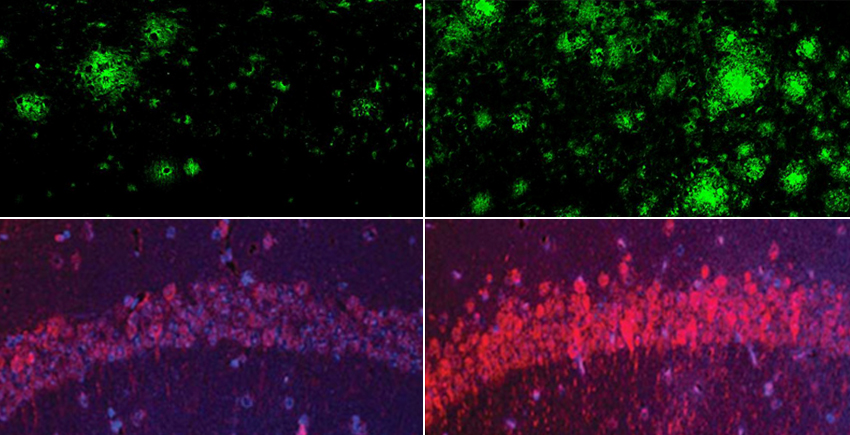
Most promisingly, the study points toward a potential new avenue for treatment. The researchers identified a specific compound, lithium orotate, that does not get trapped by amyloid plaques. When they administered low, non-toxic doses of this compound to mice showing signs of Alzheimer’s, the results were stunning: the brain changes were reversed, plaques and tangles were reduced, and the mice regained their memory and cognitive function. These doses were approximately 1,000 times lower than those prescribed for bipolar disorder.
Despite the exciting results, lead researcher Dr. Bruce Yankner, a professor of genetics at Harvard, issued a strong word of caution. “A mouse is not a human. Nobody should take anything based just on mouse studies,” he stressed, adding that human trials are needed to determine safety and proper dosage. This new research corroborates earlier large-scale studies that hinted at a protective effect of lithium and re-frames the element from a simple drug to a vital nutrient we may not be getting enough of as we age.
This comprehensive study provides a powerful new theory that could unify decades of Alzheimer’s research. While a long road lies ahead before this translates into a clinical therapy, the work opens a promising new door for developing diagnostics and treatments for the millions affected by this devastating disease, potentially changing our fundamental understanding of brain health.