

Key Takeaways
- Computers are now being powered by clusters of lab-grown human brain cells, or organoids.
- These biocomputers use up to 10,000 times less energy than traditional silicon chips, a key solution for AI’s growing power demands.
- The technology offers new ways to study neurological diseases like Alzheimer’s and test drugs without using animals.
- Companies like FinalSpark and Cortical Labs are already offering commercial biocomputing platforms to researchers.
Scientists are ushering in a new era of computing, moving beyond silicon to create “wetware”—computers powered by living human brain cells. This groundbreaking field, once the domain of science fiction, uses lab-grown clusters of neurons called organoids to process information, promising to make artificial intelligence dramatically more efficient and to unlock new frontiers in medical research.
Two companies are leading this charge. The Swiss firm FinalSpark has launched its Neuroplatform, a remote-access system that allows scientists to rent time on a biocomputer for $500 per month. Meanwhile, Australian startup Cortical Labs released the CL1, which it calls the world’s first commercial biological computer, merging 800,000 human neurons with silicon chips.
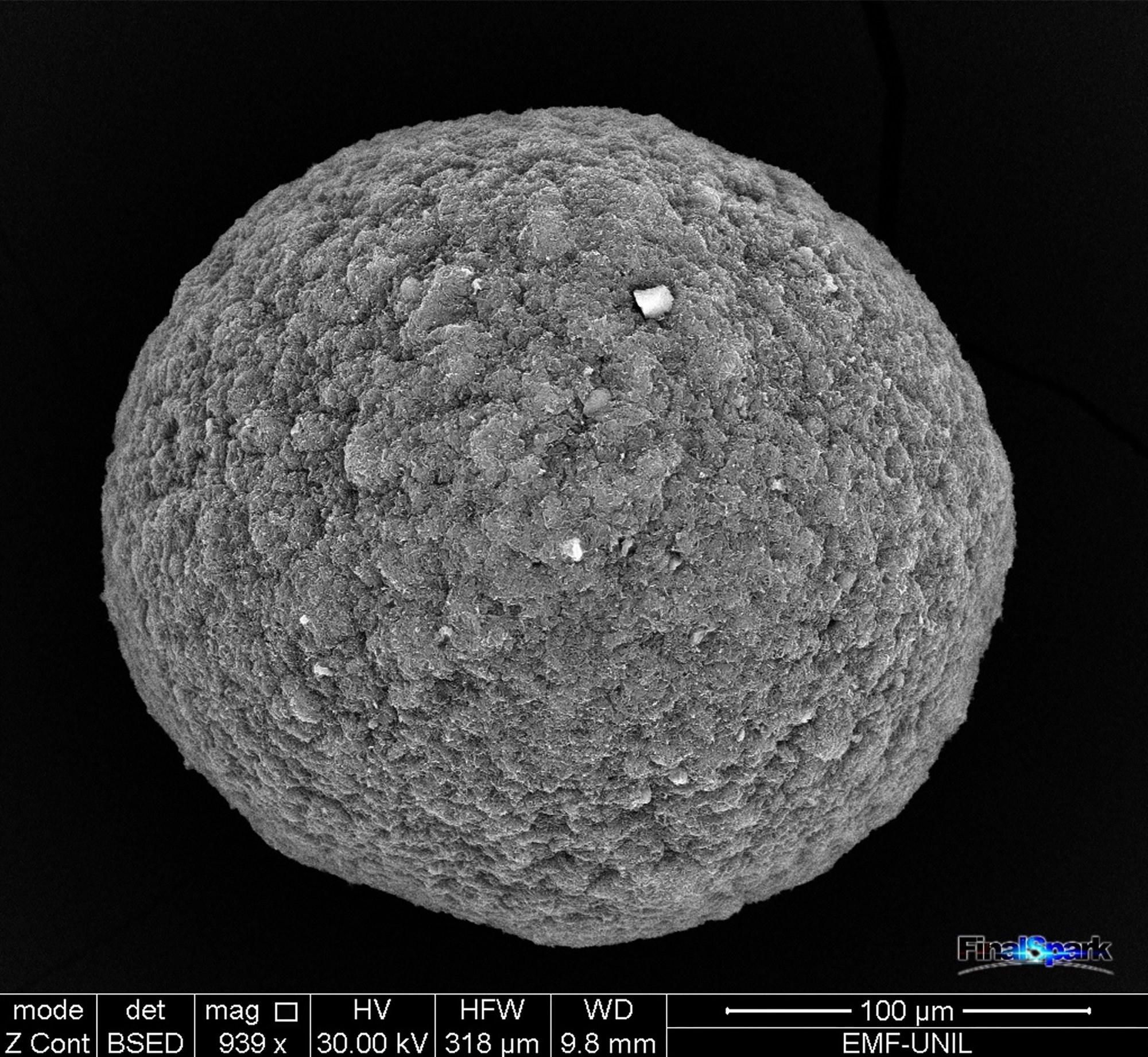
FinalSpark
The most significant advantage of this technology is its staggering energy efficiency. The human brain performs complex calculations on just 20 watts of power, whereas a supercomputer tackling similar tasks can require 10 megawatts. Biocomputers leverage this natural efficiency, using between 1,000 and 10,000 times less energy than their electronic counterparts. As FinalSpark’s Dr. Fred Jordan notes, the goal is “artificial intelligence for 100,000 times less energy,” a critical objective as the energy demands of AI data centers continue to soar.
Beyond raw computing power, this “organoid intelligence” offers revolutionary potential for medicine. Researchers can now model neurological diseases like Alzheimer’s and autism on these biological systems, studying how neuronal networks are affected and testing potential drugs with a nuance that was previously impossible. This approach could drastically reduce the reliance on animal testing and accelerate the development of new treatments for complex brain disorders.