

NASA has awarded a $116.9 million contract to Intuitive Machines, a Texas-based space exploration company, to deliver six science and technology payloads to the Moon’s south pole. This significant contract marks the company’s fourth award under NASA’s Commercial Lunar Payload Services (CLPS) initiative, which aims to facilitate lunar exploration by delivering payloads and collecting critical data while autonomously operating on the Moon’s surface. The announcement led to a 16% surge in Intuitive Machines’ shares after the market closed.
Intuitive Machines is currently in the final assembly phase of its second lunar mission, with plans to deliver the completed lander to the launch facility later this year. This mission represents another important step in NASA’s broader Artemis program, which seeks to return humans to the Moon and lay the groundwork for sustained lunar exploration. The payloads delivered by Intuitive Machines will support scientific research and technological advancements critical to these future missions.
The collaboration between NASA and private companies like Intuitive Machines is a key element of the CLPS initiative, which aims to leverage the agility and innovation of the private sector to advance space exploration. By awarding contracts to companies like Intuitive Machines, NASA is not only fostering technological innovation but also building the infrastructure necessary for a sustained presence on the Moon.
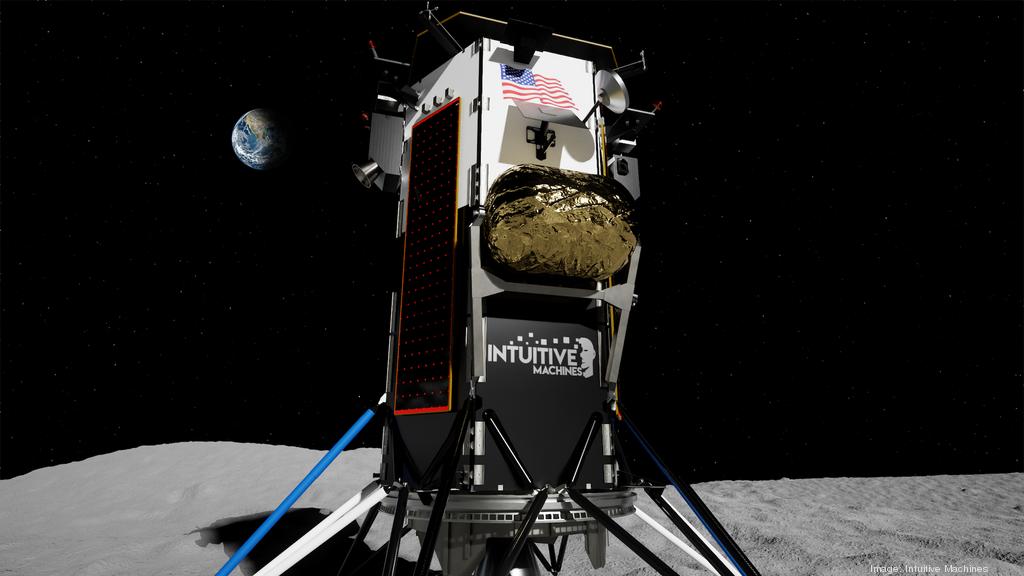
With this latest contract, Intuitive Machines continues to establish itself as a leading player in lunar exploration. The upcoming mission to the Moon’s south pole is expected to provide valuable data that will inform future lunar missions, particularly in the challenging environment of the lunar south pole, which is of significant interest due to the potential presence of water ice and other resources.
As Intuitive Machines prepares for its second lunar mission, the company’s work underscores the growing role of commercial entities in space exploration, particularly in missions that are critical to NASA’s long-term objectives of returning to the Moon and eventually exploring Mars.