

The northern lights have long fascinated observers around the world, but the same solar particles that create these mesmerizing displays can pose serious risks to Earth’s electrical and communication systems. To better understand the forces behind these stunning lights—and the potentially damaging storms that accompany them—NASA has launched the TRACERS mission, sending two specialized satellites into space.
TRACERS, which stands for Tandem Reconnection and Cusp Electrodynamics Reconnaissance Satellites, is designed to study the violent interactions between solar wind and Earth’s magnetic field. The mission was launched from Vandenberg Space Force Base in California aboard a SpaceX Falcon 9 rocket and will see two satellites fly in close formation through the polar cusps—weak points in Earth’s magnetic shield near the North and South Poles. These regions act like open doors, allowing charged solar particles to penetrate the planet’s atmosphere.
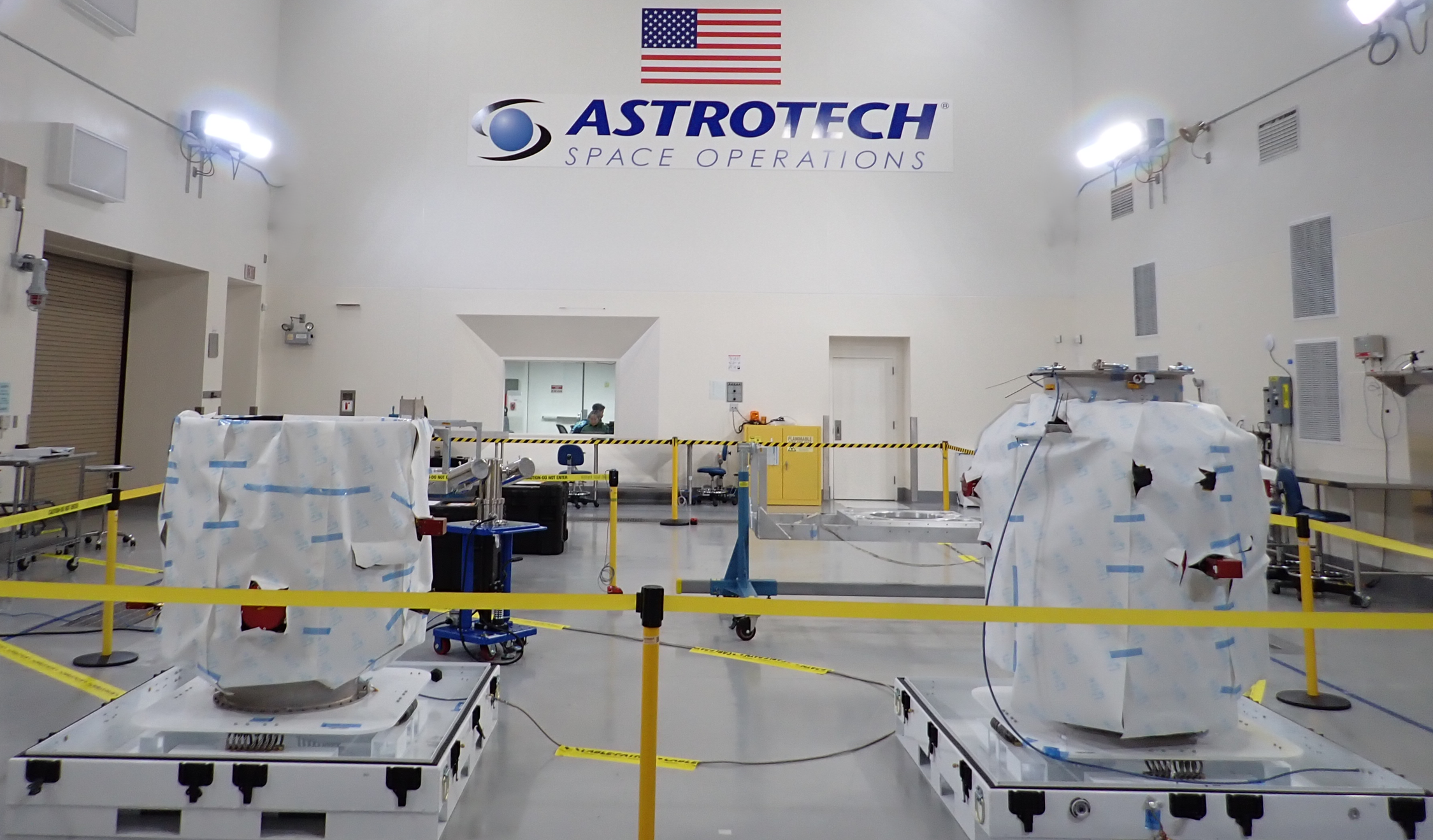
Millennium Space Systems
When these particles enter, they can collide with Earth’s magnetic field in a process called magnetic reconnection. This rearrangement of magnetic energy can release an explosive burst of power, sometimes equal to the entire daily energy consumption of the United States. These events can produce dazzling auroras, but they can also disrupt satellites, knock out GPS signals, and even disable entire power grids.
To capture these events in action, the TRACERS satellites will travel more than 16,000 miles per hour in low Earth orbit. One satellite will follow the other at intervals of 10 to 120 seconds, giving scientists near-instantaneous comparisons to detect how space weather evolves moment by moment. This dual-satellite approach allows researchers to determine whether changes in the magnetic field are accelerating, shifting, or even turning on and off in real time.
Each satellite is equipped with instruments that can measure the flow and intensity of ionized gases from the Sun. According to David Miles, principal investigator from the University of Iowa, this setup allows scientists to observe the physical mechanisms behind solar storms like never before. NASA Heliophysics Director Joe Westlake emphasized that understanding solar energy’s impact is essential to protecting GPS systems, communication networks, power grids, and even astronauts working in space.
The TRACERS mission launches at a time of heightened solar activity as the Sun reaches the peak of its 11-year cycle. Recent storms have already caused minor disruptions, raising concerns about the potential for more severe events in the near future. Past solar storms have been responsible for major blackouts and satellite failures, reminding us how vulnerable modern infrastructure is to space weather.
NASA’s TRACERS mission is part of the Small Explorers program and is expected to last for one year, though it could remain operational well beyond that. As the satellites begin their orbit, scientists are hopeful they will uncover new insights into the relationship between the Sun and Earth—and help ensure that we’re better prepared for the next major solar event.