

Key Takeaways
- Researchers have identified GRIN2A as the first single gene proven to directly cause a mental illness.
- Variants of GRIN2A are linked to schizophrenia and other psychiatric disorders, often appearing in childhood or adolescence.
- Some patients showed only psychiatric symptoms, even though GRIN2A is typically associated with epilepsy or intellectual disabilities.
- The gene affects NMDA receptor function, a key pathway in brain cell communication.
- Early treatment using L-serine, a supplement that activates NMDA receptors, led to notable improvements in symptoms.
Nearly one in seven people worldwide lived with a mental illness in 2021, according to the World Health Organization, with anxiety and depression among the most common. Scientists have long known that genetics influence the risk of developing mental illness, but research has traditionally pointed to combinations of many genes rather than a single, direct cause.
A new study challenges that view. Researchers at the University of Leipzig Medical Center have identified GRIN2A as the first known gene capable of causing a psychiatric disorder on its own. “Our current findings indicate that GRIN2A is the first known gene that, on its own, can cause a mental illness,” said Professor Johannes Lemke, the study’s lead author. “This distinguishes it from the polygenic causes that have been assumed to date.”
The team analyzed data from 121 individuals carrying changes in the GRIN2A gene. They found that certain variants were linked not only to schizophrenia but also to a range of other psychiatric conditions. What stood out was the timing. Instead of appearing in adulthood, as is typical for many mental illnesses, symptoms in GRIN2A carriers often emerged during childhood or adolescence.
Even more surprising, some participants showed only psychiatric symptoms, despite the fact that GRIN2A mutations are usually associated with epilepsy or intellectual disability. This indicates that the gene can directly trigger mental illness even without other neurological conditions.
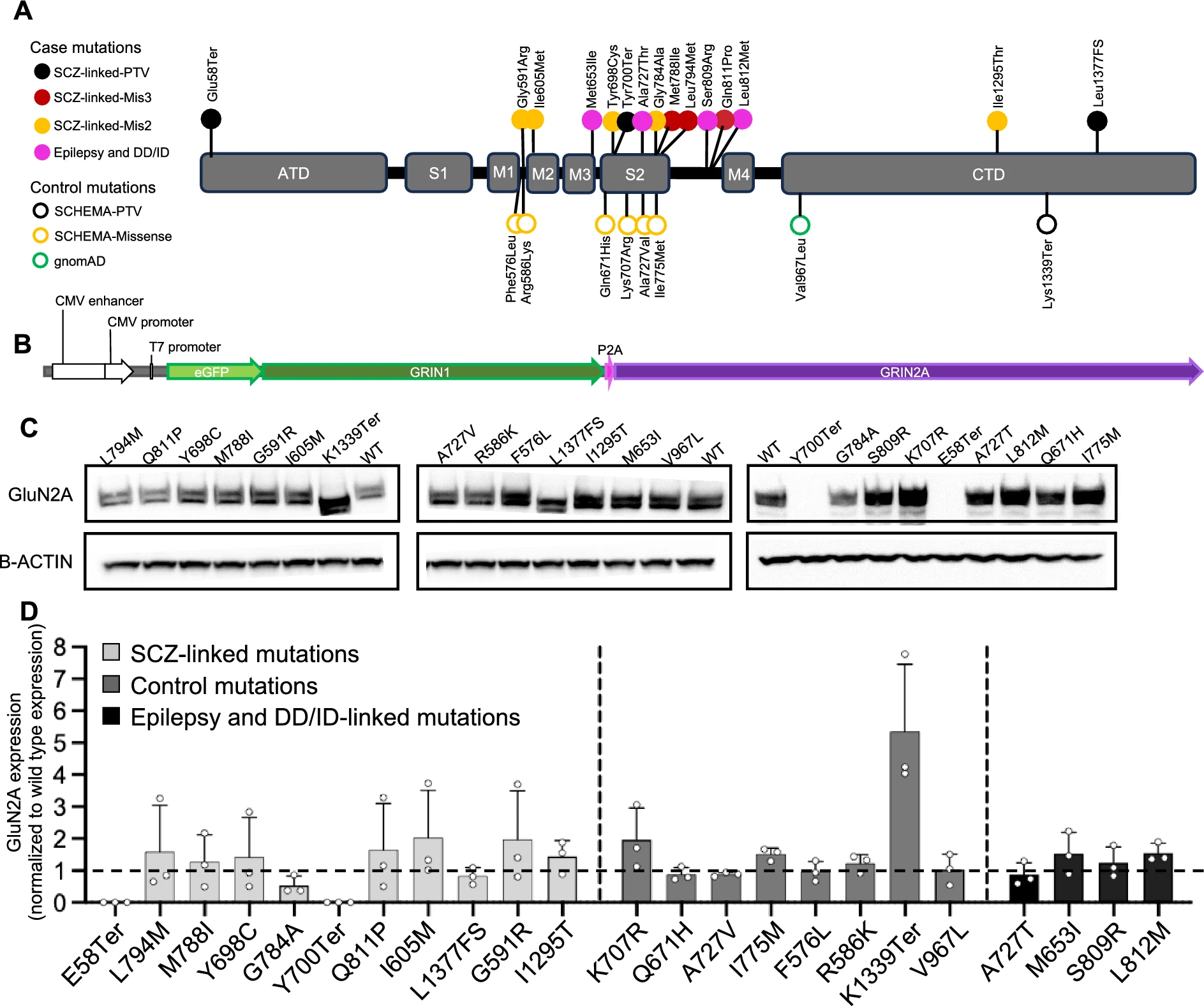
GRIN2A plays a key role in brain signaling by affecting the NMDA receptor, an essential mechanism for communication between nerve cells. The study found that certain GRIN2A variants reduce NMDA receptor activity, which disrupts normal brain function and may contribute to psychiatric symptoms.
Working with Dr. Steffen Syrbe from Heidelberg University Hospital, the researchers tested whether boosting NMDA receptor activity could help. In early treatment efforts, patients received L-serine, a dietary supplement known to activate these receptors. The results showed clear improvements in psychiatric symptoms, suggesting a potential pathway for future treatments.
Professors Lemke and Syrbe have spent nearly 15 years studying GRIN2A-related conditions, building the world’s largest registry of GRIN2A patients. Their long-term collaboration made this discovery possible and may open new doors for treatment strategies focused on brain receptor function.
The findings mark a major step forward in understanding the biological roots of mental illness and could change how clinicians diagnose and treat these conditions in the future.