

Apple Inc. has received a stern warning from the European Union, urging the tech giant to open up its highly proprietary iPhone and iPad operating systems to rival technologies. Failure to comply with the EU’s stringent digital antitrust regulations could result in significant fines. The EU watchdogs, acting under the bloc’s Digital Markets Act (DMA), announced that Apple must align its operating systems with the new laws within six months or face future penalties. This directive marks a pivotal moment as the EU seeks to enforce interoperability and fair competition within the digital marketplace.
Under the DMA, the EU aims to ensure that major tech companies like Apple do not stifle competition by keeping their operating systems closed off from competitors. The Brussels-based authority has not yet initiated a formal investigation but is pushing Apple to re-engineer its services to allow rival companies access to the iPhone’s and iPad operating systems. This move is part of a broader strategy to create a more competitive and fair digital environment, preventing monopolistic practices that can hinder innovation and consumer choice.
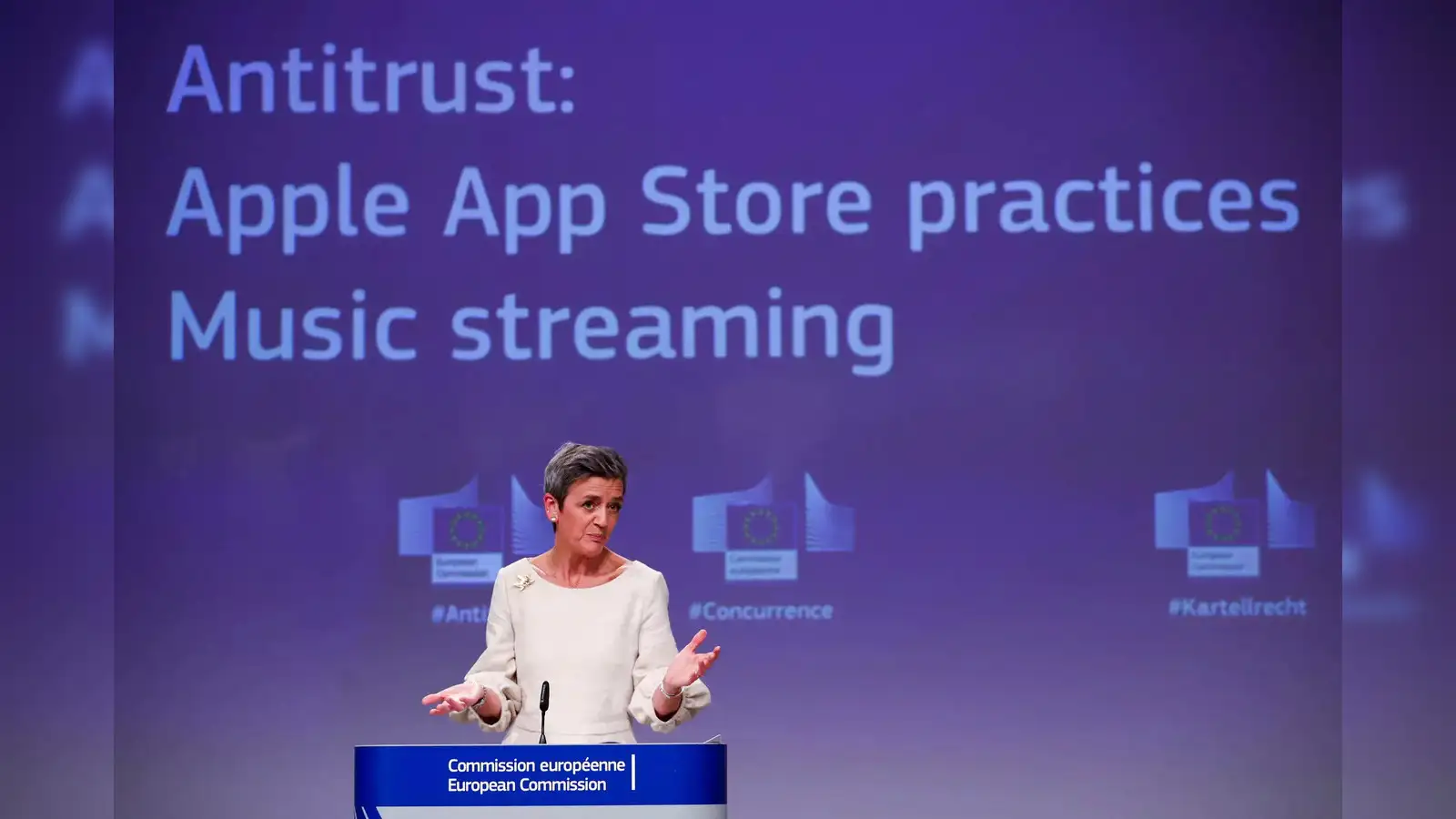
Margrethe Vestager, the EU’s competition chief, emphasized the importance of this step, stating, “Today is the first time we use specification proceedings under the DMA to guide Apple towards effective compliance with its interoperability obligations. Effective interoperability, for example with smartphones and their operating systems, plays an important role in this.” Vestager’s statement underscores the EU’s commitment to enforcing the DMA and ensuring that major tech players adhere to its provisions.
In response to the EU’s announcement, Apple stated that it has developed mechanisms for developers to request additional interoperability with iPhone and iPad operating systems while maintaining robust security protections for users. The company argued that weakening these security measures over time could jeopardize the safety and privacy of European consumers. “Undermining protections built into its systems over time would put European consumers at risk,” Apple added, highlighting the delicate balance between openness and security.
The EU’s warning comes on the heels of Apple’s recent unveiling of the iPhone 16, which features modest hardware upgrades and advancements in AI technology. Despite these innovations, Apple has faced challenges in the EU market, particularly regarding certain features like Apple Intelligence, iPhone Mirroring, and SharePlay Screen Sharing. In June, Apple announced that these features would be withheld from the EU to comply with the DMA’s requirements for operating systems to work seamlessly with third-party apps. This decision reflects the ongoing tensions between Apple’s ecosystem control and the EU’s regulatory efforts to promote competition.
Financial markets reacted positively to the EU’s announcement, with Apple shares rising 1.6% to $224.25 in premarket trading of 164,801 shares. The stock market’s favorable response indicates investor confidence in Apple’s ability to navigate the regulatory landscape and adapt to the new requirements without significant detriment to its business operations.
One of the primary goals of the DMA is to grant developers access to essential Apple features, thereby leveling the playing field and fostering innovation across the tech industry. By mandating interoperability, the EU seeks to dismantle barriers that prevent smaller competitors from entering the market and challenging established players like Apple. This initiative aligns with the EU’s broader efforts to regulate digital monopolies and ensure that consumers have access to a diverse range of products and services.
Should Apple fail to comply with the DMA within the stipulated six months, the EU has the authority to impose fines of up to 10% of the company’s global annual sales. This potential financial penalty underscores the seriousness of the EU’s enforcement capabilities and its determination to hold major tech companies accountable for anticompetitive practices. Additionally, Apple is already facing a separate investigation into its App Store rules for developers, which could also result in hefty penalties if the company is found to be in violation of competition laws.
The EU’s regulatory actions against Apple and other tech giants reflect a growing trend of increased scrutiny over the practices of major digital platforms. By enforcing interoperability and promoting competition, the EU aims to create a more balanced and fair digital ecosystem that benefits both consumers and businesses. For Apple, this represents both a challenge and an opportunity to innovate within a regulated framework, potentially leading to more open and collaborative technological advancements.
As the deadline approaches, Apple will need to carefully assess its strategies to comply with the EU’s requirements while maintaining the integrity and security of its operating systems. The outcome of this regulatory push could have far-reaching implications for the tech industry, setting precedents for how other companies may be required to operate in the future. The intersection of technology, regulation, and competition continues to evolve, with the EU’s actions signaling a decisive move towards a more regulated and equitable digital marketplace.
In summary, the European Union’s warning to Apple to open up its iPhone and iPad operating systems marks a significant development in the ongoing battle over digital competition and antitrust regulation. As Apple navigates these new requirements, the tech world watches closely to see how the company will adapt and what this means for the future of digital ecosystems and consumer choice.

Your First 10 AI Skills
10 practical AI skills, copy-paste prompts and a 7-day plan to start using AI with confidence.
Download the guide →