

In a decisive move signaling a shift in monetary policy, the U.S. Federal Reserve unveiled an oversized interest rate cut on Wednesday, reducing its benchmark policy rate by 50 basis points to the 4.75%-5.00% range. This half-percentage-point reduction is larger than typical adjustments and marks the beginning of an anticipated series of rate cuts aimed at sustaining the current low unemployment rate now that inflation pressures have begun to subside.
Federal Reserve Chair Jerome Powell expressed satisfaction with the decision during a press conference following the announcement. “We made a good strong start and I am very pleased that we did,” Powell stated, emphasizing the Fed’s increased confidence that the nation’s struggle with high inflation is nearing its end. He elaborated that the substantial rate cut was intended to demonstrate the policymakers’ commitment to maintaining economic stability and supporting continued employment growth.
The Federal Reserve’s decision comes after months of monitoring economic indicators that suggested inflationary pressures were easing. The sizable rate cut reflects the Fed’s strategic pivot from combating inflation to fostering economic growth and employment. By lowering interest rates more aggressively than usual, the Fed aims to stimulate borrowing and investment, thereby encouraging business expansion and consumer spending.
Powell highlighted that the logic behind the rate cut was clear from both an economic and a risk management perspective. Economically, the reduced rates are expected to lower borrowing costs for individuals and businesses, which can lead to increased spending and investment, further driving economic growth. From a risk management standpoint, the Fed seeks to preempt potential slowdowns by proactively supporting the economy as inflation rates stabilize.
The move also signals the Fed’s readiness to adapt its policies in response to changing economic conditions. With inflation showing signs of retreat, the central bank is positioning itself to support a robust labor market without the overhang of runaway price increases. This balanced approach aims to sustain economic momentum while avoiding the pitfalls of both high inflation and excessive rate hikes, which can stifle growth.
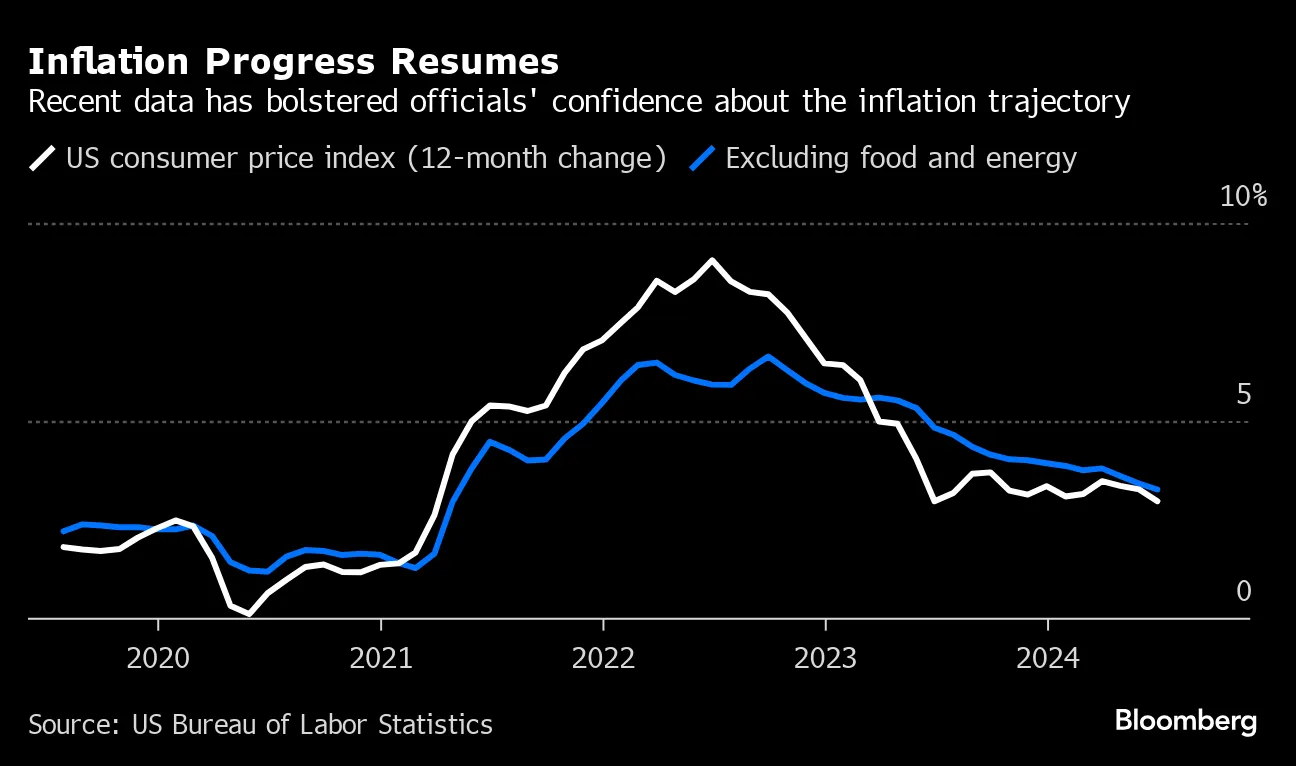
Market reactions to the rate cut were swift, with investors responding positively to the Fed’s proactive stance. Financial markets often react to such policy shifts as they directly impact borrowing costs, investment decisions, and overall economic sentiment. The sizable rate reduction underscores the Fed’s commitment to its dual mandate of promoting maximum employment and stabilizing prices.
Critics of the move may argue that such a large rate cut could reignite inflationary pressures or lead to asset bubbles, particularly in sectors sensitive to interest rates like real estate and technology. However, Powell and the Fed officials appear confident that the current economic environment can absorb the rate reduction without triggering a resurgence of inflation. They maintain that inflationary pressures have been sufficiently addressed through previous rate hikes and other monetary tightening measures.
Looking ahead, the Federal Reserve has indicated that this rate cut is just the beginning of a series of adjustments that may continue as economic conditions evolve. The central bank will closely monitor key indicators such as employment figures, consumer spending, and inflation rates to determine the appropriate timing and magnitude of future rate changes. The overarching goal remains to foster a stable and growing economy while keeping inflation in check.
In conclusion, the Federal Reserve’s substantial interest rate cut reflects a strategic adjustment in response to improving inflation metrics and a strong labor market. By lowering the benchmark rate to 4.75%-5.00%, the Fed aims to sustain economic growth and support employment, demonstrating flexibility and confidence in the nation’s economic trajectory. As the series of anticipated rate cuts unfolds, stakeholders across the financial spectrum will be keenly watching to assess the impact of these measures on the broader economy.