

Nvidia is developing a version of its latest flagship AI chips specifically tailored for the Chinese market to comply with current U.S. export controls, according to four sources familiar with the matter. The AI chip giant introduced its “Blackwell” chip series in March, with mass production scheduled for later this year. Among the series, the B200 chip is noted for being 30 times faster than its predecessor in tasks like chatbot responses.
Nvidia plans to collaborate with Inspur, a major distributor partner in China, for the launch and distribution of the chip, tentatively named the “B20.” Shipments of the B20 are expected to begin in the second quarter of 2025. This development is part of Nvidia’s strategy to navigate U.S. export restrictions while maintaining its presence in the Chinese market.
Both Nvidia and Inspur have yet to make a public announcement regarding this new chip. A spokesperson for Nvidia declined to comment, and Inspur did not respond to requests for comment. However, following the publication of the story by Reuters, Nvidia’s shares rose 1.4% to $119.67 in U.S. premarket trading.
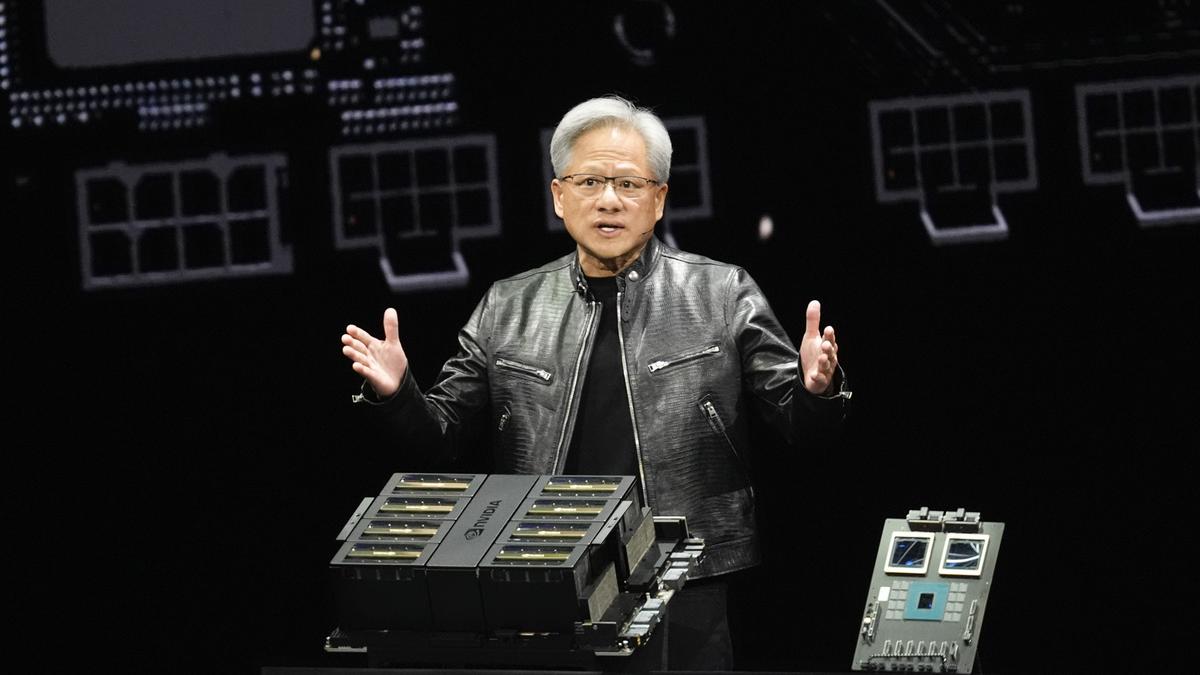
The move comes after the U.S. tightened controls on the export of advanced semiconductors to China in 2023 to prevent advancements in supercomputing that could benefit China’s military. In response, Nvidia has developed three chips tailored specifically for the Chinese market, including the H20 chip, which faced initial sales challenges but is now gaining traction. Nvidia is projected to sell over 1 million H20 chips in China this year, generating revenues of more than $12 billion, according to estimates from research group SemiAnalysis.
China accounted for approximately 17% of Nvidia’s revenue in the year ending January, a decrease from 26% two years earlier due to U.S. sanctions. The new B20 chip from the Blackwell series could help Nvidia counter competition from Chinese companies like Huawei and Tencent-backed startups such as Enflame, which have made some inroads into the domestic market for advanced AI processors following the export restrictions.
Expectations remain high that the U.S. will continue to exert pressure on semiconductor-related export controls. Sources have indicated that the U.S. is pushing for further restrictions from the Netherlands and Japan on chipmaking equipment to China. The Biden administration also has preliminary plans to place guardrails around the most advanced AI models, which are crucial for systems like ChatGPT.
Last week, chip stocks globally tumbled after Bloomberg News reported that the Biden administration was considering the foreign direct product rule, a measure that would allow the U.S. to block the sale of products made using American technology.

Your First 10 AI Skills
10 practical AI skills, copy-paste prompts and a 7-day plan to start using AI with confidence.
Download the guide →